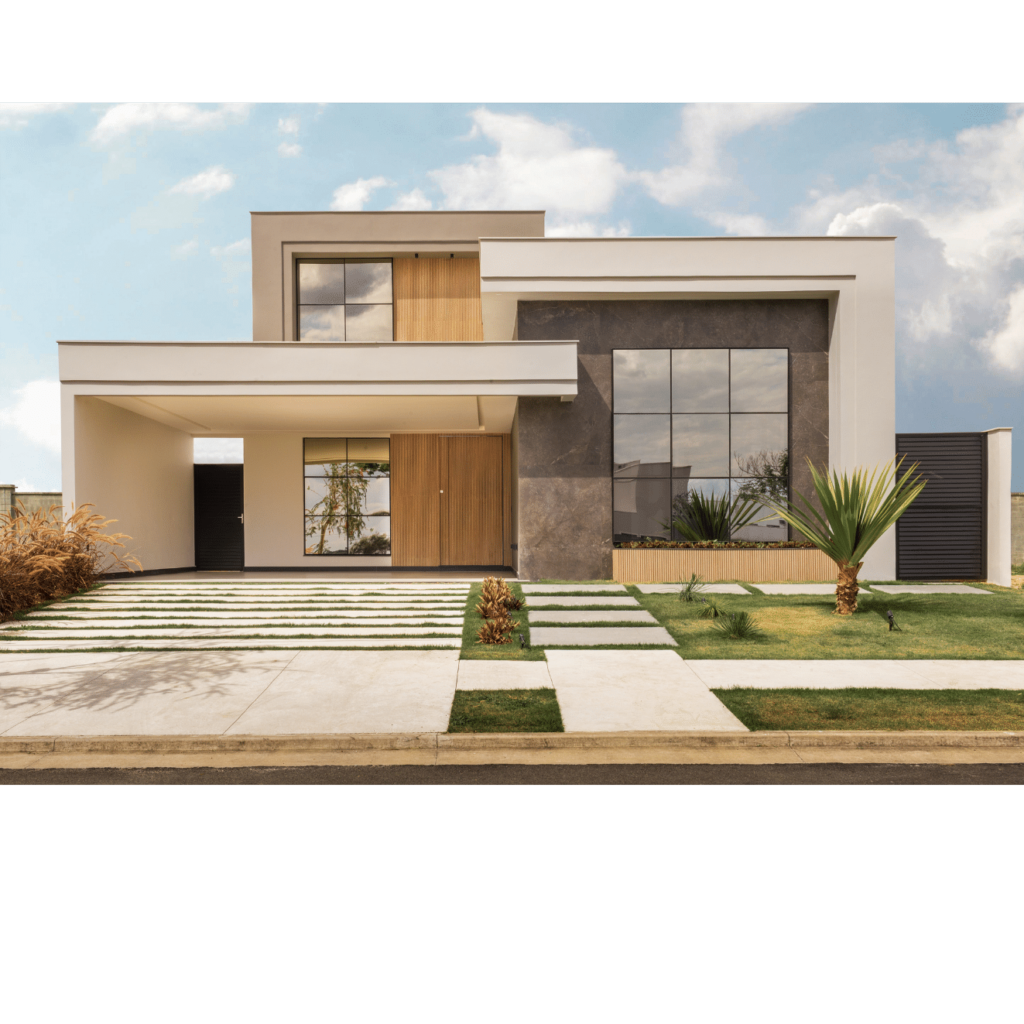
Today, we explore a fascinating economic paradox: inflation is slowing down, yet prices continue to rise. This contradiction has significant implications for the Australian housing market, affecting affordability, construction costs, and future supply. The goal is to decode what this means for prospective homeowners, investors, and policymakers.
The Current Economic Landscape
Headline inflation has eased to 2.1% annually, sitting below the Reserve Bank of Australia’s (RBA) 2.5% target and comfortably within the 2–3% range. This has strengthened expectations that the RBA will cut interest rates by 25 basis points next week, with further reductions likely later this year and into early 2026. Markets are broadly anticipating a series of rate cuts aimed at stimulating economic activity.
However, while inflation is slowing, prices are still rising—they are simply increasing at a slower pace rather than falling. This distinction between decelerating price growth and actual price declines is important. The persistence of higher prices has led to hesitation among consumers, delaying purchases and potentially slowing economic growth. At the household level, wages continue to lag behind inflation, putting additional strain on purchasing power.
Impact on Housing Construction Costs
| Factor | Recent Trends | Implications |
|---|---|---|
| Construction Costs | Growth slowed to 0.3% annually (lowest since Dec 2019) | Eases pressure on new builds, potential stabilization |
| Material Costs | Increased by 1.6% annually | Stabilising, but still high compared to 5 years ago |
| Historical Context | Materials up 34.5%, construction 42.1% over 5 years | Costs remain significantly elevated, impacting affordability |
Labor shortages, supply chain disruptions, and complex planning processes remain persistent challenges, continuing to drive up costs and delay project timelines. Despite these obstacles, building approvals have shown a sharp uptick, with 17,076 approvals recorded in June 2025—the highest level since August 2022—hinting at a potential turnaround in activity. On an annual basis, total approvals are up 10.2% year-over-year, with approvals for apartments and townhouses surging an impressive 86.6%.
Future Supply and Policy Targets
Australia’s national housing target calls for 1.2 million new homes over five years—around 240,000 annually. Current approvals, however, average only about 187,000 per year, falling short of the goal. Attrition in projects, combined with systemic bottlenecks in labor, planning, and infrastructure, continues to limit actual construction. As housing analyst Cameron Kusher notes, the target was “never thought achievable” given these structural challenges.
If cost escalation can be contained and interest rates begin to fall, both approvals and construction activity are likely to rise, creating conditions for a market turning point and a more favorable environment for housing supply. Over the longer term, improvements on the supply side are critical for both affordability and market stability. Higher approval rates could help ease price pressures and meet demand from Australia’s growing population. Still, labor shortages, infrastructure constraints, and other persistent hurdles mean that achieving rapid supply growth will remain a complex challenge.
Final Thoughts
Summary
While inflation is slowing, prices are still rising, creating a paradox that influences the housing market. Construction costs are easing but remain high compared to historical levels, impacting new housing supply. Recent spikes in building approvals offer hope, but systemic issues mean significant growth is still a work in progress. The federal government’s ambitious targets face hurdles, but favorable economic conditions could accelerate supply, improving affordability over time.
Implications for You
- Buyers and investors: Stay informed about evolving costs and approvals.
- Potential homeowners: Consider timing and market conditions carefully.
- Policymakers: Focus on addressing systemic bottlenecks to unlock supply.
In conclusion, the Australian housing market is at a critical juncture—balancing economic headwinds with signs of recovery. The coming months will be pivotal in shaping affordability and supply, making it essential to monitor these trends closely.